Our picks, beyond the numbers
5 games like Baldur's Gate 3 we would recommend for different reasons
What makes Baldur's Gate 3 memorable is rarely just the rules underneath it. It's the way a conversation can go sideways because of a bad die roll, the way a companion's approval quietly shifts after a choice you barely noticed making, and the way a fight can be won or lost by where you stood before it started. Different players come away attached to different parts of that mix, and we tried to find games that carry one piece of it forward rather than all of it at once.
A few of these are close relatives in ruleset and structure; others come from studios chasing a similar kind of reactive, companion-driven RPG in their own way, with their own systems layered underneath. Here's where we'd send a Baldur's Gate 3 player next, and why.

Solasta: Crown of the Magister
Our first choice for the closest ruleset
Solasta is the pick we'd lead with if what you want most is Baldur's Gate 3's actual rules rather than its budget or cast. It's built on the SRD 5.1 ruleset — the same licensed D&D 5e foundation — and plays out as turn-based, squad-level tactics for a party of four, with verticality and line-of-sight mattering in a way few CRPGs bother with.
We like it for the player who wants to keep thinking in D&D terms: saving throws, advantage, concentration, all still doing the same work they do at a physical table. Online co-op covers the official campaigns and anything made with the included Dungeon Maker, so a group can build and share their own adventures on top of the base game.
It doesn't have Baldur's Gate 3's scale, voice-acted companions or cinematic staging — this is a smaller, more systems-forward production. Choose it when the ruleset itself is the draw, not when you're looking for another sprawling, story-first journey with a cast you'll remember for years.

Pathfinder: Wrath of the Righteous
For an even deeper character build
Pathfinder: Wrath of the Righteous answers a different question than Solasta does: what if character building was the whole point? It runs on the Pathfinder First Edition ruleset, with 25 classes and 12 races to work through, and you can switch between real-time-with-pause and full turn-based combat whenever you like, which makes it a flexible landing spot for players coming from either camp.
Its Mythic Path system is the reason we'd point a Baldur's Gate 3 fan here specifically — becoming an Angel, a Lich, a Trickster or one of several other paths reshapes your abilities and the story's framing around you, which is a more dramatic version of the sort of character-defining choices Baldur's Gate 3 offers. A separate crusade layer has you commanding an army from above as well as fighting on the ground.
There's no online co-op here, and the systems pile up fast enough that it can feel dense compared to Baldur's Gate 3's more approachable onboarding. We'd recommend it to someone who wants to go deeper into build theory and consequence, solo, rather than someone chasing the same party banter.

Dragon Age: Inquisition
For companions and a world in trouble
Dragon Age: Inquisition shares Baldur's Gate 3's interest in a large fantasy world shaped by your decisions, but puts companions even more squarely at the center — recruiting them, earning their approval, and watching personal arcs unfold alongside the main plot in a way that rewards paying attention to people as much as builds.
We'd choose it for players who liked Baldur's Gate 3's camp conversations and relationship arcs more than its turn-based tactics. Combat here is active with an optional tactical pause-and-plan view, and online co-op lets a group tackle its own separate multiplayer missions.
It isn't a D&D game, and its real-time combat doesn't reward the same positioning and action-economy thinking Baldur's Gate 3 does. Come here for the open world and the people in it, not for another turn-based tactics puzzle.
Warhammer 40,000: Rogue Trader
For the same tactics in the 41st millennium
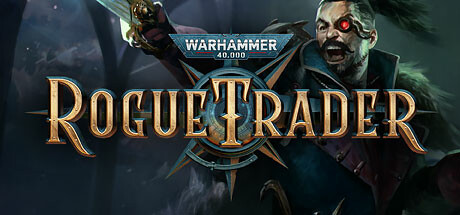
Rogue Trader is the closest thing on this list to Baldur's Gate 3's actual turn-based rhythm wearing a completely different setting. It's an isometric, turn-based tactical CRPG where you lead a crew exploring the Koronus Expanse as a Rogue Trader, trading Baldur's Gate 3's Forgotten Realms for grimdark 41st-millennium sci-fi.
We like it for the player who wants that same careful, turn-based combat math and a large cast of companions with their own agendas, just dressed in power armor and void ships instead of robes and daggers. Online co-op and cross-platform multiplayer are both supported, so a group can take the Koronus Expanse on together.
The tone shift is real — this is grim, often brutal sci-fi rather than Baldur's Gate 3's mix of humor and heroic fantasy, and the 40k lore can take some getting used to if you're not already familiar with it. Choose it for the tactics, and go in expecting a much darker story.

Torment: Tides of Numenera
For dialogue as the main weapon
Torment: Tides of Numenera is for the Baldur's Gate 3 player whose favorite moments were the conversations, not the combat. Billed as the thematic successor to Planescape: Torment, it leans hard into choice-driven storytelling — the game's own framing is that your words and actions are your primary weapons, and companions bring their own motives that can help or complicate your path.
Its Crisis system handles tense moments as puzzles that blend combat, environment, stealth and dialogue rather than defaulting to a straight fight, which gives it a different texture from Baldur's Gate 3's more consistently combat-forward encounters. We'd recommend it to someone who wants a game willing to let talking your way through a crisis be just as valid as winning one.
There's no multiplayer and comparatively little traditional tactical combat, so if the thing you'd miss most is party-based turn-based fighting, this will feel thin. Pick it specifically for the writing and the weight given to your choices.