Our picks, beyond the numbers
5 games like Cities: Skylines we would recommend for different reasons
A Cities: Skylines map starts simple — a road, a zone, a power line — and turns into a web of interdependent decisions almost without anyone noticing: traffic backs up because of a zoning choice three districts away, budgets strain because a service was underfunded months ago. We chose these games for people who enjoy untangling exactly that kind of problem, whether they want another city to grow or a different kind of system to manage entirely.
A few of these scale the same management itch down to something smaller and tighter, others push the logistics and economic side of city-building even further than Colossal Order did, and one or two swap the sandbox for a scripted campaign with its own flavor. Here's where we'd send a Cities: Skylines player next.
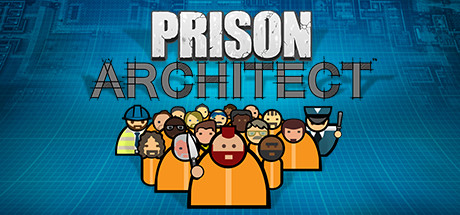
Prison Architect
Our first choice for the same itch at a smaller scale
Prison Architect takes the zoning-and-logistics satisfaction Cities: Skylines runs on and shrinks it down to the scale of a single prison, where cell blocks, plumbing, staffing schedules and security routes replace roads and power lines as the things you have to keep balanced.
We'd point a Cities: Skylines player here first because the underlying itch is identical — designing an efficient layout and watching a system you built actually function — while the smaller, more contained scope makes it feel like a tighter puzzle rather than an open-ended sprawl.
Its 2D top-down view and much narrower scope make it a more focused management challenge than running an entire growing city, so don't expect Cities: Skylines' open-ended sandbox freedom or its traffic-at-scale problems. Treat it as the same core idea, concentrated.

Workers & Resources: Soviet Republic
For logistics pushed considerably further
Workers & Resources: Soviet Republic pushes Cities: Skylines' logistics obsession much further than the base game ever does, asking you to run a planned Eastern Bloc economy down to the pipelines, factories, resource chains and trade routes that actually supply every building in your republic.
We'd recommend it to a Cities: Skylines player whose favorite part of the game is the connective tissue — the roads, the power grid, the supply lines — rather than the aesthetics of a skyline, and who wants that obsession taken to a far more granular, demanding level.
It's considerably more demanding than Cities: Skylines, with a steep alternate-history economic simulation layered under the city-building that asks for real patience to learn. Go in expecting a stiffer learning curve, not a drop-in replacement for a relaxing sandbox session.

Anno 1800
For city-growing paired with trade and history
Anno 1800 pairs the same satisfaction of a growing, well-planned settlement that Cities: Skylines offers with trade routes, exploration and a historical Industrial Revolution setting that gives its production chains an actual narrative to follow, from raw materials to finished goods shipped across the map.
We'd choose it for a Cities: Skylines player who wants that city-building satisfaction wrapped in more structure and story, with shipping lanes and overseas colonies adding a layer of strategy that Cities: Skylines' single, self-contained map doesn't really offer.
Its island-hopping campaign and real-time-strategy roots give it considerably more structure, pacing and light combat than Cities: Skylines' open sandbox, so expect a more guided experience rather than total creative freedom from the start.

Transport Fever 2
For the logistics side, minus the zoning
Transport Fever 2 takes the logistics half of Cities: Skylines and makes it the entire point, tasking you with building rail, road and shipping networks across decades of transportation history rather than balancing a whole city's zoning and services.
We like it for a Cities: Skylines player whose favorite screen is the transit overlay — watching a well-designed route actually move people and cargo efficiently — and who'd happily spend an entire game on just that part of the puzzle.
There's no zoning or citizen happiness to manage at all, so success here is measured purely in efficient routes and profitable cargo lines rather than a living, growing city. It's a pick for transit obsessives specifically, not for anyone chasing Cities: Skylines' broader city-management loop.

Tropico 4
For a lighter, more scripted take on the same balancing act
Tropico 4 swaps zoning and traffic engineering for ruling a Caribbean island as El Presidente, with the same underlying drive to balance a budget and keep citizens happy, now filtered through dictatorship, political maneuvering and a healthy dose of satire.
We'd suggest it for a Cities: Skylines player who wants a lighter, funnier entry point into the same basic management loop, with mission-based goals giving each session more direction than an open sandbox usually provides.
Its comedic, political-strongman framing and mission-based campaign structure make it a lighter, more scripted experience than Cities: Skylines' open sandbox, so expect more hand-holding and humor and less freeform city design.