Our picks, beyond the numbers
5 games like Darkest Dungeon we would recommend for different reasons
Darkest Dungeon treats dread as a resource to manage right alongside health and gold: every torch that burns low, every stress bar creeping toward breaking point, is the narrator's grim voice made mechanical. The hamlet between expeditions gives that tension somewhere to land — you patch up a roster of flawed, replaceable adventurers and send them back out anyway. We looked for games that chase that same unforgiving, turn-based tension, whether they stay close to the original formula or bend it into something stranger.
One of these is the direct sequel, a couple flip the premise on its head, and a few take the party-based tactics somewhere gentler or considerably darker. Here's where we'd send a Darkest Dungeon player next.

Darkest Dungeon II
Our first choice for the next chapter of the same dread
Darkest Dungeon II is the direct sequel, keeping the same grim turn-based combat and sanity-fraying atmosphere, but built around a road-trip structure where your party rides a stagecoach between expeditions rather than returning to one persistent hamlet.
We'd point a Darkest Dungeon player here first for exactly that reason — it's the most obvious next stop, carrying the series' tone and combat philosophy forward while changing the shape of a run into something shorter and more roguelite in structure.
Runs are shorter and reset more often, with a fresh party each expedition rather than the original's persistent roster and permanent hamlet upgrades, so the specific long-term attachment to one roster of named adventurers isn't quite the same here.
Iratus: Lord of the Dead
For playing the villain instead of the victims
Iratus flips Darkest Dungeon's premise on its head: instead of hiring desperate adventurers to survive a hostile dungeon, you play the necromancer himself, assembling a party of undead horrors and sending them out to cause the dread rather than endure it.
We'd recommend it to a Darkest Dungeon player who's spent enough time losing adventurers to curiosity about the other side of that equation, with the same turn-based tactics and unforgiving difficulty carrying over almost unchanged despite the perspective swap.
Playing the villain rather than the victims changes the whole emotional register of the game, and there's no sanity system at all — your undead troops don't break the way Darkest Dungeon's heroes do, so the specific stress-management layer is missing here.
Othercide
For the closest tactical and aesthetic match
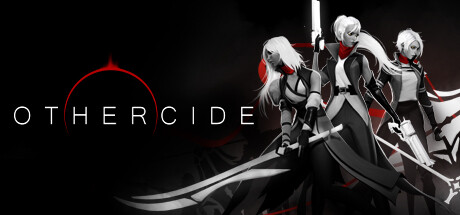
Othercide pairs Darkest Dungeon's commitment to punishing turn-based tactics with its own striking black-and-white, blood-red art style, and a cast of Daughters who can permanently die in the same way your adventurers do, with no undoing a bad decision once it's made.
We like it for a Darkest Dungeon player who wants the closest tonal and mechanical match on this list — permadeath, careful positioning, a visual style built entirely around dread — but delivered through a timeline-based turn structure rather than the original's hamlet-and-expedition rhythm.
Its structure runs in discrete, escalating waves within a single continuous timeline rather than Darkest Dungeon's hamlet-and-expedition loop, so the pacing feels more contained and less like managing a long-term roster across multiple trips.
Battle Chasers: Nightwar
For the same tactics with a warmer, friendlier tone
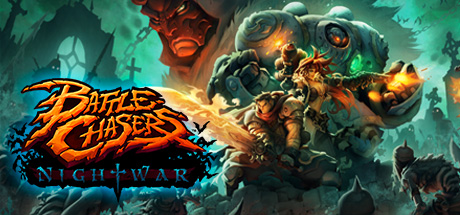
Battle Chasers: Nightwar wraps turn-based party combat in a colorful comic-book world, giving the same tactical decision-making a warmer, more adventure-driven tone with a recruitable cast of characters worth growing attached to rather than treating as disposable.
We'd suggest it to a Darkest Dungeon player who enjoys the tactical core — positioning, resource management, careful turn order — but wants a break from the dread, with brighter art and a far more forgiving approach to failure.
Its brighter presentation and more forgiving JRPG-style progression trade Darkest Dungeon's dread and permadeath for a friendlier, more traditional dungeon-crawling RPG, so don't expect the same stakes or atmosphere of constant loss.

Stoneshard
For punishing detail opened into a persistent world
Stoneshard takes the idea of a punishing, detail-obsessed RPG and opens it into a persistent open world you wander between fights, with injuries, ailments and their slow recovery mattering in the same granular way Darkest Dungeon's afflictions do to a battered party.
We'd choose it for a Darkest Dungeon player who wants that same obsessive attention to a character's physical and mental state, but set loose in a world to explore rather than fixed expeditions out of one hamlet.
It's still in Early Access, having been in development since 2020, and its turn-based combat happens across an open map rather than Darkest Dungeon's fixed expedition corridors, so expect a rougher, less finished experience alongside the open structure.