Similargaming.com
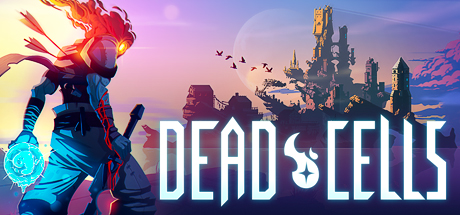
Dead Cells

Games like Dead Cells

Discover games similar to Dead Cells, and find your next adventure.

About Dead Cells

Dead Cells is a roguelite action-platformer from Motion Twin, blending the procedurally shuffled runs of a roguelike with the tight, momentum-driven combat of a Metroidvania. You fight through an ever-shifting castle, stringing together weapons and mutations to carve a slightly better path each time you die. We like it because the controls are so responsive that even a failed run feels satisfying.

Genre
Roguelite action-platformer
Players
Single-player
Perspective
Side view
Developer
Motion Twin

Available on PC, PlayStation, Xbox, Switch and mobile.

View on Steam

Explore games similar to Dead Cells

Showing 10 of 30 results · Filter or sort to explore more matches

Skul: The Hero Slayer

Skul: The Hero Slayer

Brings action roguelike, roguelike and roguelite to the table, with its own spin.

Action RoguelikeRoguelikeRogueliteMetroidvania

100%

match

View game
Game details for Skul: The Hero Slayer

Skul: The Hero Slayer vs Dead Cells: at a glance

Skul: The Hero SlayerDead Cells
PlatformsPlayStation · PC · Mobile · Xbox · SwitchPlayStation · PC · Mobile · Xbox · Switch
Est. playtime39h22h
Game modesSingle-playerSingle-player

Why we think it fits

Skul lets you swap skulls mid-run to completely change your abilities, giving the same curiosity about what a new combination of moves will do that drives a good Dead Cells run, in a side-scrolling platformer of its own.

What’s different from Dead Cells?

Its central gimmick is swapping between two skulls at will rather than committing to the weapons you find, and the whole game leans further into its villain-protagonist premise.

Check the current Steam listing
ScourgeBringer

ScourgeBringer

Shares roguelite, action roguelike and roguelike with a similar overall feel.

RogueliteAction RoguelikeRoguelikeMetroidvania

94%

match

View game
Game details for ScourgeBringer

ScourgeBringer vs Dead Cells: at a glance

ScourgeBringerDead Cells
PlatformsPlayStation · PC · Mobile · Xbox · SwitchPlayStation · PC · Mobile · Xbox · Switch
Est. playtime8h22h

Why we think it fits

ScourgeBringer takes Dead Cells' fast, momentum-driven combat and compresses it further, mixing platforming, slashing and bullet-hell dodging at a speed that rewards quick reflexes over careful planning.

What’s different from Dead Cells?

Its runs are shorter and more arcade-like, with a tighter focus on movement-based combos rather than Dead Cells' broader weapon and build variety.

Check the current Steam listing
Dungreed

Dungreed

Built around action roguelike, roguelite and roguelike, much like the game you started from.

Action RoguelikeRogueliteRoguelikePixel Graphics

89%

match

View game
Game details for Dungreed

Dungreed vs Dead Cells: at a glance

DungreedDead Cells
PlatformsPlayStation · PC · Mobile · SwitchPlayStation · PC · Mobile · Xbox · Switch
Est. playtime—22h
Game modesSingle-playerSingle-player

Why we think it fits

Dungreed keeps the item-hunting, run-based structure Dead Cells is built on, but adds Metroidvania-style unlocks that carry some progress forward even after a bad run ends, plus local co-op for a second player.

What’s different from Dead Cells?

Its smaller-scale dungeon and simpler art style make it a more modest, approachable take on the formula than Dead Cells' bigger production.

Check the current Steam listing
Astral Ascent

Astral Ascent

Leans on action roguelike, roguelite and replay value — the same pull that makes the original click.

Action RoguelikeRogueliteReplay ValueRoguelike

86%

match

View game
Game details for Astral Ascent

Astral Ascent vs Dead Cells: at a glance

Astral AscentDead Cells
PlatformsPlayStation · PC · SwitchPlayStation · PC · Mobile · Xbox · Switch
Est. playtime23h22h
Game modesSingle-player · Shared/split-screen co-opSingle-player

Why we think it fits

Astral Ascent sends a choice of heroes through an astral prison with the same procedurally shifting rooms and build experimentation Dead Cells rewards, in a colorful, anime-inflected world with local co-op.

What’s different from Dead Cells?

Its cast of playable characters and relationship-driven story give it a narrative hook Dead Cells never bothers with, on top of its own distinct art style.

Check the current Steam listing
Caveblazers

Caveblazers

Brings action roguelike, roguelite and roguelike to the table, with its own spin.

Action RoguelikeRogueliteRoguelikeProcedural Generation

85%

match

View game
Game details for Caveblazers

Caveblazers vs Dead Cells: at a glance

CaveblazersDead Cells
PlatformsPlayStation · PC · SwitchPlayStation · PC · Mobile · Xbox · Switch
Est. playtime—22h

Why we think it fits

Caveblazers brings the same roguelike, permadeath structure to a scrappier cave-crawl, with local co-op for tackling runs alongside a friend and a wry sense of humor about its own difficulty.

What’s different from Dead Cells?

Its retro pixel art and smaller scope make it a rougher, more old-school experience than Dead Cells' polished animation and level variety.

Check the current Steam listing
Spelunky

Spelunky

Shares action roguelike, roguelike and platformer with a similar overall feel.

Action RoguelikeRoguelikePlatformerReplay Value

85%

match

View game
Game details for Spelunky

Spelunky vs Dead Cells: at a glance

SpelunkyDead Cells
PlatformsPlayStation · PC · Xbox · SwitchPlayStation · PC · Mobile · Xbox · Switch
Est. playtime85h22h
Game modesSingle-player · Shared/split-screen PvP · Shared/split-screen co-opSingle-player

Why we think it fits

Spelunky is one of the games that helped define the randomized-room, permadeath platforming Dead Cells builds on, with traps, gold and fragile health turning every descent into real tension.

What’s different from Dead Cells?

There's no persistent gear to carry between runs the way Dead Cells' unlocks work, and local co-op for up to four here is a different social angle than Dead Cells' solo focus.

Check the current Steam listing
Death's Gambit

Death's Gambit

Built around souls-like, metroidvania and dark fantasy, much like the game you started from.

Souls-likeMetroidvaniaDark FantasyPixel Graphics

84%

match

View game
Game details for Death's Gambit

Death's Gambit vs Dead Cells: at a glance

Death's GambitDead Cells
PlatformsPlayStation · PC · Xbox · SwitchPlayStation · PC · Mobile · Xbox · Switch
Est. playtime—22h

Why we think it fits

Death's Gambit leans harder into Souls-style RPG systems than Dead Cells does, with stats, gear and a somber story about an immortal warrior, while keeping the same demanding 2D combat.

What’s different from Dead Cells?

Its fixed, hand-crafted world and heavier narrative focus replace Dead Cells' procedurally shuffled levels and roguelite structure entirely.

Check the current Steam listing
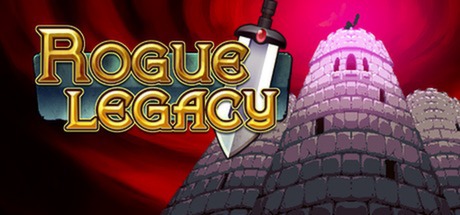
Rogue Legacy

Rogue Legacy

Leans on roguelike, action roguelike and platformer — the same pull that makes the original click.

RoguelikeAction RoguelikePlatformerMetroidvania

84%

match

View game
Game details for Rogue Legacy

Rogue Legacy vs Dead Cells: at a glance

Rogue LegacyDead Cells
PlatformsPlayStation · PC · Xbox · SwitchPlayStation · PC · Mobile · Xbox · Switch
Est. playtime27h22h
Game modesSingle-playerSingle-player

Why we think it fits

Rogue Legacy applies the same permadeath, build-experimentation spirit to a family-lineage gimmick: when you die, you choose your next hero from a randomized line of descendants, each with their own quirks.

What’s different from Dead Cells?

Its inherited-traits system and lighter, more comedic tone give failure a different kind of consequence than Dead Cells' straightforward restart.

Check the current Steam listing
Windblown

Windblown

Brings action roguelike, souls-like and metroidvania to the table, with its own spin.

Action RoguelikeSouls-likeMetroidvaniaRoguelite

84%

match

View game
Game details for Windblown

Windblown vs Dead Cells: at a glance

WindblownDead Cells
PlatformsPCPlayStation · PC · Mobile · Xbox · Switch
Est. playtime—22h
Co-opOnline, up to 3No co-op
Game modesSingle-player · Online co-opSingle-player

Why we think it fits

Windblown comes from Motion Twin, the studio behind Dead Cells itself, and it's easy to feel that lineage in its fast, build-focused combat — now reworked into an isometric arena with online co-op.

What’s different from Dead Cells?

It's still in Early Access, with a full release expected in 2026, and its isometric perspective and co-op focus are a real departure from Dead Cells' solo side-scrolling.

Check the current Steam listing
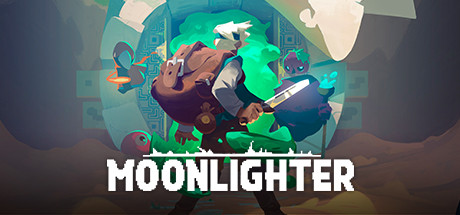
Moonlighter

Moonlighter

Shares action roguelike, roguelite and roguelike with a similar overall feel.

Action RoguelikeRogueliteRoguelikeHack and Slash

84%

match

View game
Game details for Moonlighter

Moonlighter vs Dead Cells: at a glance

MoonlighterDead Cells
PlatformsPlayStation · PC · Mobile · Xbox · SwitchPlayStation · PC · Mobile · Xbox · Switch
Est. playtime17h22h
Game modesSingle-playerSingle-player

Why we think it fits

Moonlighter gives dungeon runs an unusual second half: the loot you bring back becomes stock for a shop you price and run yourself, a different reward loop than Dead Cells' permanent unlocks.

What’s different from Dead Cells?

Its dungeons regenerate on each visit instead of demanding permadeath mastery, and the whole game centers on a shop counter as much as combat.

Check the current Steam listing

How we find your next game

We look for games that share something worth loving about Dead Cells. The match score compares game data and is relative to the closest match in this list. Our picks below add our own perspective: why each game appeals to us, who it suits, and where it takes a different path.

Our picks, beyond the numbers

5 games like Dead Cells we would recommend for different reasons

Dead Cells rarely gives you the same run twice, and that unpredictability is the whole appeal: a weapon you've never used turns up, a mutation changes your plan, and the castle itself keeps shuffling the order you see it in. Finding games like Dead Cells means looking past "has permadeath" and asking what actually kept you chasing that next door.

For some, it's the thrill of a wildly different build taking shape run to run. For others, it's the satisfaction of unlocking something permanent after a death that otherwise meant nothing. We picked games that chase one of those feelings in their own way, including one built by the very same studio.

Here's where we'd send a Dead Cells player next, and why each one earns its spot.

Skul: The Hero Slayer

Skul: The Hero Slayer

For swapping your whole kit mid-run

Skul hands you two skull slots you can swap between at will, and that single idea changes how a run feels compared to Dead Cells' weapon pickups. One skull might turn you into a glass-cannon mage, the next a lumbering brute who trades speed for raw damage, and deciding which to carry into a fight becomes its own puzzle.

We'd point a Dead Cells player here specifically for that build flexibility — rather than committing to whatever you've found until the next biome, you're actively juggling two very different playstyles and switching between them on the fly.

The villain-protagonist framing and side-scrolling platforming will feel instantly familiar, but Skul's progression and difficulty curve are tuned differently from Dead Cells' own. Go in expecting a cousin, not a clone.

Windblown

Windblown

For the same studio's take on co-op combat

Windblown comes from Motion Twin, the studio behind Dead Cells itself, and that lineage shows immediately in how fast and physical the combat feels — dashing between enemies, chaining hits, and constantly rethinking a build as new weapons and ambitions appear mid-run.

We think it's the most interesting pick on this list precisely because it's the same team pushing their own formula somewhere new: an isometric arena instead of a side-scrolling castle, with online co-op built in from the start rather than bolted on.

It's still in Early Access, with a full release expected in 2026, so treat it as a work in progress rather than Dead Cells' level of polish. The perspective shift and co-op focus are real departures — choose this for curiosity about where Motion Twin goes next, not for more of exactly what you already know.
Rogue Legacy

Rogue Legacy

For failure that still changes something

Rogue Legacy keeps Dead Cells' permadeath tension but attaches a twist: when you die, you choose your next hero from a randomized line of descendants, each saddled with their own quirks, from near-sightedness to vertigo to being colorblind.

We like it as a pick for players who want death to feel like part of the story rather than a reset button — inheriting a flawed, funny new hero and adapting to their limitations gives a bad run a different kind of payoff than Dead Cells' straightforward retry.

Its tone is lighter and more comedic throughout, and its Metroidvania-style unlocks lean further into permanent progression than Dead Cells typically allows. Pick this for the inheritance gimmick and a gentler difficulty curve, not for Dead Cells' precise, momentum-heavy combat.

Dungreed

Dungreed

For bringing a second player along

Dungreed keeps the item-hunting, run-based structure that makes Dead Cells tick, but layers in Metroidvania-style unlocks that persist even after a bad run ends, plus local co-op for tackling the dungeon with a second player.

We'd recommend it to a Dead Cells player who's been wanting someone else in the room — sharing a couch and figuring out a dungeon together changes the tension of a run in a way Dead Cells' solo design never offers.

Its smaller scale and simpler art style make it a more modest production than Dead Cells' bigger budget and animation work. Expect a scrappier, friendlier version of the formula, not a direct match for scope.
Moonlighter

Moonlighter

For a reward loop built around running a shop

Moonlighter sends you into regenerating dungeons for loot, same as any run-based action game, but the real hook is what happens after: the gear and junk you haul back becomes stock for a shop you price, arrange and run yourself between expeditions.

We think it's worth a look for a Dead Cells player curious what happens when the reward loop stops being purely about unlocks and starts being about a small business — haggling with customers can feel as satisfying as clearing a room.

Its dungeons regenerate rather than demanding Dead Cells' kind of permadeath mastery, and a good chunk of playtime goes toward the shop counter rather than combat. Choose it for the change of pace, not for more of Dead Cells' unforgiving run structure.
Where would we start?

For the closest match to Dead Cells' build-swapping tension, start with Skul: The Hero Slayer. Windblown is the one to watch if you're curious what Motion Twin does next, and Rogue Legacy is our pick when you want death itself to feel like part of the story. Dungreed suits a player looking to bring a friend along, and Moonlighter is the wildcard for anyone who wants their loot run to end at a shop counter instead of another door.