Our picks, beyond the numbers
5 games like Diablo IV we would recommend for different reasons
Diablo IV's pull can come from a lot of different places: a piece of gear that finally completes a build, a skill combination that clicks into place, or just the grim atmosphere of Sanctuary itself. Rather than chase that overall feeling, we looked for games that nail one specific part of it well.
Some of these are the usual next stops for action RPG fans who want the equipment hunt and the build theorycrafting to keep going; others trade Diablo IV's grim tone for something lighter while keeping the same core loop intact.
Here is where we would send a Diablo IV player next, and why each one earns a place on this list.

Path of Exile 2
Our first choice for a deeper, harder build to chase
Path of Exile 2 is Grinding Gear Games' overhaul of its original action RPG, currently in early access and built around the same isometric loot-and-combat loop as Diablo IV, but with a skill and passive system that goes considerably further for players who want to theorycraft.
We would send a Diablo IV player here first if gear planning and build optimization are the parts that keep them playing — online co-op for up to six players means that obsession can be shared rather than solo.
Its learning curve is steeper, and the current early access period is set to end with the game shifting to free-to-play. Expect a harder, more demanding version of the loot chase rather than a gentler alternative.
Last Epoch
For experimenting with a build without the steepest curve
Last Epoch reached full release in February 2024 and gives action RPG fans a time-traveling fantasy setting with a respec-friendly skill system that makes trying out a different build much less of a commitment than in most of the genre.
We like it for a Diablo IV player who enjoys tinkering with abilities and gear but wants fewer barriers in the way of actually testing an idea — online co-op is supported if you want to build alongside a friend.
Its smaller development team and world give it a different scale and presentation from Diablo IV's cinematic campaign. Choose it when build experimentation itself is the appeal, not the production values around it.

Torchlight II
For a lighter, brighter dungeon crawl
Torchlight II keeps the loot-driven combat and class-based builds that make Diablo IV compelling, but wraps them in a much more colorful, cartoon-inflected fantasy world with a lighter overall tone throughout.
We would recommend it to someone who wants the equipment hunt and skill trees without Diablo IV's grim, oppressive atmosphere — online co-op and strong mod support have kept it an easy game to return to since its 2012 release.
Its presentation and pacing are considerably less heavy, and its age means it lacks Diablo IV's scale and current live-service content. Pick this one for a brighter, more relaxed take on the same core loop.
Grim Dawn
For a grim world with deep crafting
Grim Dawn pairs Diablo IV's loot-and-combat fundamentals with a sprawling, ruined fantasy world and a long campaign — over 80 hours by most estimates — built around faction reputation and layered crafting systems.
We like it for a Diablo IV player who wants the atmosphere to stay dark and the character planning to run deep, with a dual-class system that lets you combine skill trees in ways Diablo IV's class structure doesn't quite allow.
Online co-op is supported, and its older engine and slower rollout of content mean it feels more like a dense single-player campaign than a live game. Choose it when you want the grim tone to come with real depth to dig into.
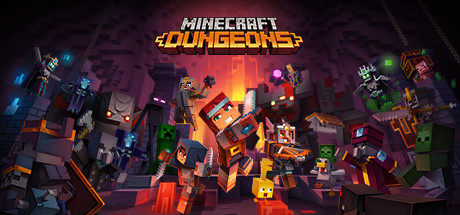
Minecraft Dungeons
For a more approachable version of the hunt
Minecraft Dungeons takes the equipment-driven dungeon crawling that Diablo IV players know well and simplifies it into something far more approachable, set in the familiar voxel world of Minecraft with straightforward gear upgrades instead of deep skill trees.
We would choose it for a group that wants Diablo IV's basic loop of fighting through dungeons for better gear, but with a much lower barrier to entry — local and online co-op for up to four players make it an easy pick for playing with people who don't normally touch action RPGs.
There is no character class system or deep build planning here, and the tone is bright, family-friendly and considerably less dark than Sanctuary. Pick this one when accessibility matters more than depth.