Our picks, beyond the numbers
5 games like Hogwarts Legacy we would recommend for different reasons
Hogwarts Legacy works because it lets two different urges coexist: the pleasure of learning a new spell well enough to use it on instinct, and the pleasure of wandering off a corridor to see where a locked door leads. Neither one alone explains why the castle holds attention the way it does, and we tried to find games that chase one of those two pulls rather than just reusing the word 'wizard'.
A couple of these are the obvious next stop for anyone missing Elder Scrolls-style freedom specifically; others swap the wand and the house points for a different flavor of open-world spellcasting entirely. None of them is trying to be a second Hogwarts — we picked them because each one answers a different part of what made the first one work.
Below are the five games like Hogwarts Legacy we'd actually recommend, with a note on why each one earns its place and who it is and isn't for.

Avowed
For first-person spellcasting with real variety
Avowed comes from Obsidian and drops you into the Living Lands, a corner of the Pillars of Eternity universe, where you can mix swords, guns and grimoire spells however you like — freezing an enemy solid one moment, setting them alight the next. It's a first-person RPG, which changes the physical feel of a fight more than most comparisons on this list.
We'd choose it for a Hogwarts Legacy player whose favorite part was experimenting with elemental spell combinations against the right enemy, since Avowed leans harder into that kind of improvisation and lets firearms sit alongside the magic in a way the wizarding world never does.
There's no castle, no classes and no house identity here, and the shift to first person is a bigger adjustment than it sounds. Choose this when the spellcasting variety is what you're chasing, not a school setting or a third-person wand duel.
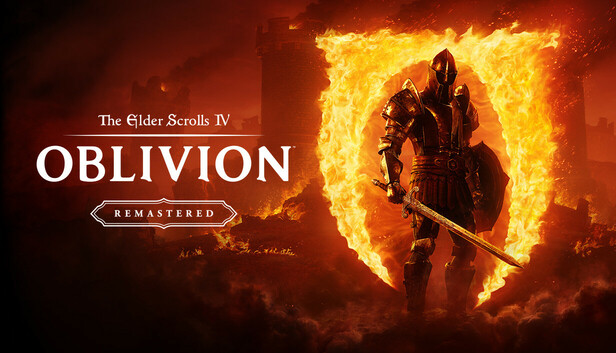
The Elder Scrolls IV: Oblivion Remastered
For wide-open freedom instead of a syllabus
Oblivion Remastered updates Bethesda's 2006 original with new visuals while keeping all of Cyrodiil open from the moment you step outside. Swordplay and spellcasting mix however you want, and nothing forces you back to a classroom when a ruin on the horizon looks more interesting.
We'd point a Hogwarts Legacy player here specifically for the freedom to ignore the plan entirely. Guilds and factions replace Hogwarts' house-and-class structure, so your sense of progress comes from the paths you choose to follow rather than a fixed curriculum.
It's a classic Elder Scrolls province, not a magic school, and the tone is older and rougher around the edges even with the new coat of paint. We'd recommend it to someone who wants Hogwarts Legacy's open-world wandering turned all the way up, not someone attached to the school setting itself.

Dragon's Dogma II
For a more physical kind of combat variety
Dragon's Dogma II is a single-player, narrative-driven action RPG that lets you wield swords, bows and chant magick across an open fantasy world, with vocations shaping how a fight unfolds and Pawns — including some borrowed from other players' games through a covenant — fighting alongside you.
We like it for a Hogwarts Legacy player who wants combat variety to come from changing how you approach a fight physically, rather than from picking a different spell off a wheel. Switching vocations changes your whole toolkit, which gives experimentation a different shape than Hogwarts Legacy's spell-and-talent trees.
There's no castle or school structure at all, and Pawns stand in for classmates rather than friends with their own personalities. Pick this when the appeal is Capcom's physical, vocation-driven combat, not a return to the wizarding world.

The Witcher 3: Wild Hunt
For a darker world and real consequences
The Witcher 3 gives Geralt his own form of spellcasting through Signs, backed by alchemy and swordplay, across a dark fantasy world where choices tend to come back around in ways you didn't expect. If what stuck with you about Hogwarts Legacy was the sense that your decisions mattered, this pushes that idea much further.
We'd recommend it to someone who wants their magic use tied into a larger, more consequential story, rather than a structured school of spells to master one at a time. Signs work more as combat utility than a spellbook, which changes how you lean on magic moment to moment.
The tone here is considerably more mature and grim than anything in the wizarding world, and there's no castle, houses or classmates to anchor you. Choose The Witcher 3 for the weight of its choices, not for a lighter, school-set adventure.

Kingdoms of Amalur: Re-Reckoning
For blending two approaches into one build
Kingdoms of Amalur: Re-Reckoning's Destiny system lets you blend two class trees freely, so you're never locked into a single lane the way Hogwarts Legacy's spell-and-talent trees can start to feel once you've settled on a favorite combination. Melee and magic are woven together more tightly in its combat than in most of this list.
We'd choose it for a player who enjoyed tinkering with Hogwarts Legacy's build options and wanted to go further — mixing, say, a sorcery-leaning build with melee finesse rather than committing to one identity for the whole game.
Amalur is its own original fantasy world with nothing to do with Hogwarts, and the pace and presentation feel older than Hogwarts Legacy's. We'd suggest it specifically for the build experimentation, not as a substitute for the castle's atmosphere.