Hollow Knight: Silksong
Our first choice for a new journey in the same world
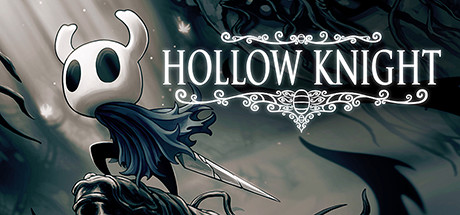
Silksong is the direct sequel, released in September 2025, and it hands you Hornet instead of the Knight for a new adventure built on the same foundation: a haunted, interconnected kingdom of silk and song, hordes of enemies, and a climb toward the realm's peak that rewards patient exploration.
We'd point a Hollow Knight player here first, obviously, because it is the most literal continuation available — the same studio, the same commitment to a world worth mapping, and a protagonist who already appeared as a formidable fighter in the original game.
Hornet plays faster and more aggressively than the Knight did, with a moveset built around her needle and ribbon rather than a nail and spells, so even this most direct sequel asks you to relearn your instincts rather than coast on old habits.

Blasphemous
For a grimmer, more punishing pilgrimage
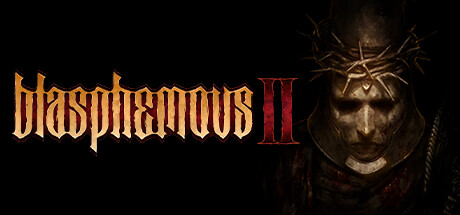
Blasphemous keeps Hollow Knight's 2D exploration and demanding hack-and-slash combat, then pours it into Cvstodia, a world steeped in twisted Catholic-flavored religious imagery, guilt and body horror. You play the Penitent One, caught in a cycle of death and rebirth, cutting a gory path through a non-linear map while unlocking new abilities to open routes you couldn't reach before.
We'd choose it for a Hollow Knight player drawn to atmosphere as much as mechanics — Cvstodia's dread is more visceral and grotesque than Hallownest's quieter melancholy, and the game leans into that difference rather than softening it.
Its violence and nudity are considerably more explicit than anything in Hollow Knight, and its platforming asks for the same precision as its combat. Go in ready for a harsher, more unflinching tone.

Nine Sols
For combat built around the parry
Nine Sols, released in 2024 from RedCandleGames, trades the Knight's dodge-and-spacing rhythm for deflection-focused combat explicitly inspired by Sekiro: you slash, parry and set off talisman explosions as Yi, a hero hunting the nine rulers of the fallen realm of New Kunlun.
We like it as a recommendation specifically for the Hollow Knight player who wants exploration and a hand-drawn 2D world to map, but is ready to trade some of the Knight's flexibility for a sharper test of timing and reflexes.
Its "Taopunk" setting — a blend of cyberpunk and Taoist mythology — gives it a visual identity closer to science fiction than Hallownest's insect kingdom, and the parry-centric combat is a stricter, less forgiving skill to learn than the Knight's spacing and spells.

Ender Magnolia: Bloom in the Mist
For a sadder, companion-driven follow-up
Ender Magnolia, which left early access in January 2025, is a spiritual successor to Ender Lilies set decades later in the post-apocalyptic Land of Fumes. You play Lilac, an Attuner working to save Homunculi and humans alike, recruiting companions and skills as you go, in a 2D dark-fantasy world that owes an obvious debt to Hollow Knight's own melancholy.
We'd suggest it for Hollow Knight players who want that same sorrowful atmosphere and gradual unlocking of new routes, but with a stronger emphasis on commanding a growing cast of companion abilities rather than one character's expanding toolkit.
Its story leans further into a developing cast of rescued companions than Hollow Knight's more solitary journey, and its combat — described by its own developers as revamped from its predecessor — asks for a different rhythm of skill management than the Knight's charms.

Salt and Sanctuary
For a Souls-like built in two dimensions
Salt and Sanctuary takes Dark Souls' stats, gear and bonfire-style checkpoints and flattens them into a 2D side-scrolling world — a cursed island of forgotten cities and blood-soaked dungeons, with over 600 weapons, armor pieces and spells to find and upgrade.
We like it for a Hollow Knight player who wants the interconnected 2D exploration to stay, but who's curious what that same map-memorizing instinct feels like wrapped around a full RPG stat and equipment system rather than Hollow Knight's charm-based loadouts.
It leans explicitly on Souls-style progression — leveling, builds, a much heavier emphasis on gear — rather than the Knight's charm slots, and it also supports local co-op, which Hollow Knight doesn't offer. Expect a slower, more stat-driven version of the genre.