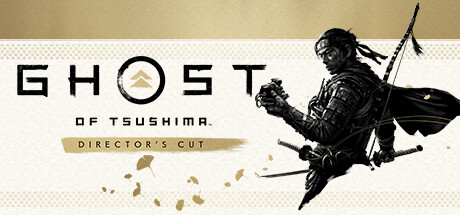
Ghost of Tsushima: Director's Cut
For an open world built around discovery
Ghost of Tsushima combines a story about war with an island that rewards wandering off the main path — hot springs, shrines, foxes that lead to collectibles, all tucked into a landscape worth riding through slowly.
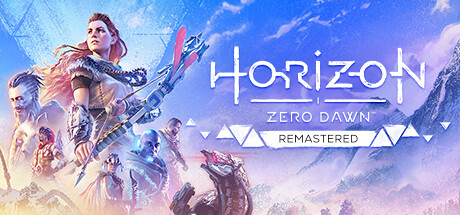
We'd choose it for a Horizon player who enjoyed Aloy's climbs and vantage points as much as her fights with machines, and wants that same pull toward exploring over a direct, point-to-point objective.
Its samurai setting and sword-focused combat replace Horizon's ranged, machine-hunting fights entirely — there's no equivalent to studying a Thunderjaw's weak points, just a different set of human duels and stealth encounters.
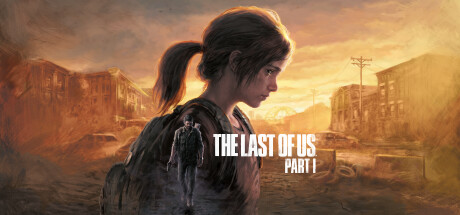
The Last of Us Part I
For a character-led journey
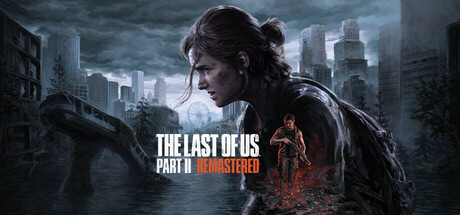
The Last of Us Part I follows Joel and Ellie through a dangerous, infected United States, where the relationship between the two of them carries as much weight as any individual fight. It's a tighter, more linear story than Horizon's open landscape.
We like it for someone who was drawn to Aloy's own search for identity and found family as much as the machine-hunting — this puts that kind of character relationship at the absolute center of the experience.
Its more directed, scripted survival story leaves far less room for open-world exploration than Horizon offers, and there are no machines to study or hunt — the threats here are infected humans and other desperate survivors.

Assassin's Creed Odyssey
For a large world to discover
Assassin's Creed Odyssey offers exploration and combat across a vast recreation of ancient Greece, with a similar density of side content, factions and discoveries scattered across the map as Horizon's frontier.
We'd pick it for a player who wants another huge landscape full of places to investigate, with deep RPG progression layered on top — a good match if the sheer scale of Horizon's map was a big part of the appeal.
Its ancient Greek setting and heavier RPG systems — gear levels, skill trees, dialogue choices — differ from Horizon's machine-hunting focus and more level-based progression. Expect a slower, more stat-driven approach to combat.
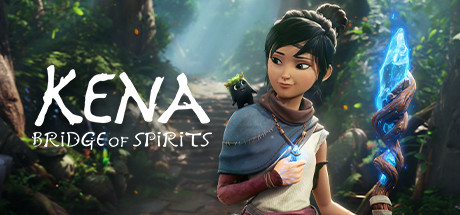
Kena: Bridge of Spirits
For a compact adventure with heart
Kena: Bridge of Spirits combines exploration and action-platforming in a colorful spirit world, with small companion creatures called Rot who help solve puzzles and fight alongside you. Its scale is much smaller than Horizon's frontier, but its sense of place is just as deliberate.
We'd choose it for someone who wants Horizon's care about its world and creatures in a shorter, more tightly paced adventure — a good fit if you enjoyed Horizon but want something less sprawling to finish.
It's considerably smaller in scope, with no open-world map to speak of and a gentler, more whimsical fantasy tone than Horizon's post-apocalyptic science fiction. Treat it as a cozier, more contained cousin rather than a direct replacement.

God of War Ragnarök
For story and mythic action
God of War Ragnarök follows Kratos and Atreus through the Norse Nine Realms, mixing weighty melee combat with a story about family that unfolds across a series of distinct, richly detailed regions rather than one continuous open map.
We like it for a Horizon player who wants character relationships alongside action and exploration — Kratos and Atreus's dynamic plays a similar role to Aloy's own relationships, just with a very different combat style.
Its melee-focused combat and realm-by-realm structure differ from Horizon's ranged, machine-hunting fights and single continuous frontier. Expect a more linear, story-driven pace between pockets of exploration rather than one seamless world.