Portal
Our first choice, obviously
Portal is the original Aperture Science puzzle game Portal 2 was built on top of, with GLaDOS and the portal gun already doing the same physics-and-wit-driven puzzle-solving that made the sequel so well-loved.
We'd start here for anyone who somehow reached Portal 2 without playing it first — it's a shorter, more stripped-down campaign that shows where the whole idea began, before Portal 2 added co-op, light bridges, tractor beams and a much bigger story.
Treat it as a tighter, more focused appetizer rather than a full equivalent: there's less mechanical variety and a noticeably smaller scope throughout. Still, if you want the purest version of the core puzzle idea, this is it.

Human: Fall Flat
For physical comedy with friends
Human: Fall Flat keeps puzzle-solving physical and a little absurd, trading Portal 2's precision for floppy, hard-to-control bodies and the chaos of several players trying to solve the same puzzle at once — its co-op scales up to eight players, well past Portal 2's two-player limit.
We'd choose it for a group that loved Portal 2's co-op chambers but wants the puzzles to lean on comedic physics and fumbling teamwork rather than Portal 2's clean, logical portal-based solutions.
There's no GLaDOS, no overarching story and no portal mechanic at all — just general physics and a lot of improvised flailing. Pick this when you want the laughs to outweigh the precision.

Superliminal
For perspective tricks instead of portals
Superliminal is built on the same kind of mind-bending spatial logic Portal 2's trickiest puzzles rely on, here using forced perspective and optical illusions instead of a portal gun to resize and reshape objects around you.
We'd recommend it to someone whose favorite Portal 2 moments were the ones that made them stop and really look at a room differently — Superliminal turns that specific feeling into its entire premise, rather than one trick among many.
There's no portal gun or physical traversal challenge, and the whole experience is considerably shorter than a full Portal 2 campaign. Choose it for a concentrated dose of that reframing feeling, not a comparable length of content.
Viewfinder
For bending the rules of space itself
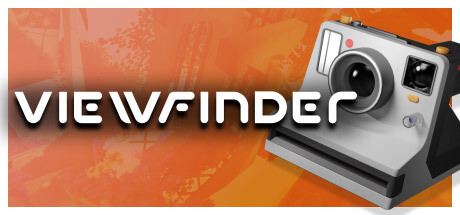
Viewfinder takes Portal 2's trick of bending the rules of space and reframes it around bringing photographs and paintings to life inside the world around you, rewarding the same kind of lateral thinking Portal 2's best chambers ask for.
We like it for a Portal 2 player who wants a genuinely different central mechanic rather than a reskin of portals — reshaping the environment with pictures gives its puzzles a texture nothing else on this list quite matches.
There's no antagonist like GLaDOS pushing the story forward, and the structure is looser and more exploratory than Portal 2's tightly authored test chambers. Pick this for a fresh puzzle idea built from similar instincts.

Supraland
For puzzle logic spread across an open world
Supraland is explicitly built by its solo developer drawing on Zelda, Metroid and Portal, turning Portal 2's puzzle logic into ability-gated exploration across one large, interconnected world rather than a sequence of test chambers.
We'd point a Portal 2 player here if the appeal was less about room-by-room chambers and more about the satisfaction of a clever tool unlocking a path you'd noticed earlier but couldn't reach yet.
It's a Metroidvania at heart, with permanent unlockable tools opening new areas instead of Portal 2's chamber-by-chamber structure. Choose it when you want that puzzle-solving instinct stretched across a much bigger, more connected map.