Our picks, beyond the numbers
5 games like Project Zomboid we would recommend for different reasons
Project Zomboid turns an ordinary supply run into a chain of decisions that can get you killed: which route, how much noise, how much you can carry, whether it's worth the risk at all. That slow-burn pressure — not just the zombies themselves — is what makes it distinctive, and it's what we looked for in these picks.
Some of these games share Zomboid's isometric, systems-heavy survival; others trade the zombies for a different threat entirely while keeping the same feeling of every decision mattering. We've picked for that underlying pressure rather than for a one-to-one match in setting.
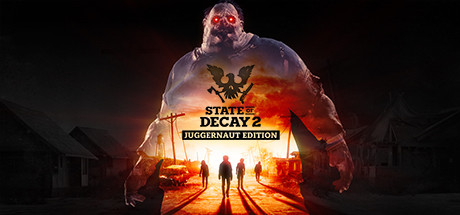
State of Decay 2: Juggernaut Edition
For keeping a whole community alive
State of Decay 2 widens Zomboid's survival math from one character to an entire community. You're managing morale, supplies and the people themselves, not just your own hunger and infection risk, and losing a community member can sting in a way that losing an item never does.
We'd choose it for a Zomboid player who wants that same resource anxiety but likes the idea of other survivors depending on their decisions too — recruiting people, assigning them roles, and watching a base's fortunes rise or fall as a group rather than an individual.
It's played from a third-person action perspective rather than Zomboid's isometric view, and it's noticeably more forgiving: death isn't quite as final when you have a roster of other playable survivors. If Zomboid's unforgiving solo permadeath is the whole appeal, this will feel softer.
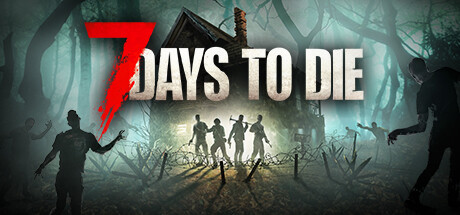
7 Days to Die
For building a base that actually has to hold
7 Days to Die combines scavenging and crafting with building defenses that get tested on a schedule: a recurring horde night forces you to see whether your fortifications actually work, not just whether they look solid on paper.
We like it for players who want Zomboid's crafting and scavenging loop but want building to be the centerpiece, with a concrete deadline that turns preparation into its own kind of tension.
It's played first-person with voxel-based building rather than Zomboid's isometric simulation, and the horde-night structure gives it a more arcade-like rhythm of calm-then-chaos, compared to Zomboid's steadier, ever-present pressure.

The Long Dark
For survival without a single zombie
The Long Dark removes the infected entirely and makes cold, hunger, fatigue and injury the whole threat. Managing your condition meter through a Canadian wilderness after a plane crash carries the same granular, numbers-matter feeling as Zomboid's health and infection tracking, just aimed at the environment instead of the undead.
We'd point someone here if what they actually love about Zomboid is the slow-burn resource management and the fear of a single bad decision spiraling, rather than the zombies specifically.
There's no combat against other threats and no infection mechanic — this is a quieter, more contemplative kind of survival. If the appeal of Zomboid is partly about outsmarting the infected, The Long Dark won't scratch that itch; it's built entirely around the environment instead.
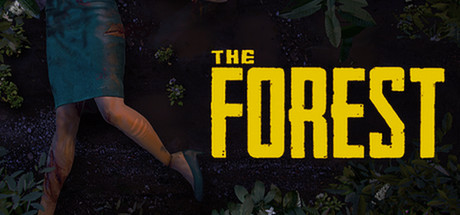
The Forest
For building under direct threat
The Forest combines gathering and shelter-building with a mutant-filled island that actively comes looking for you, especially once your base starts attracting attention. It shares Zomboid's loop of building up defenses while something dangerous is actively testing them.
We'd choose it for a group of friends who enjoy a tense, shared survival project — it supports online co-op, which Zomboid also offers, but The Forest's first-person horror atmosphere and cave systems give that shared pressure a different, more claustrophobic shape.
Its first-person perspective and three-dimensional island setting are a big departure from Zomboid's isometric Kentucky towns, and the threat is supernatural mutants rather than a zombie outbreak. Expect a more horror-leaning, less simulation-heavy experience.

Days Gone
For a character-led story on the road
Days Gone follows Deacon St. John, a drifter on a motorcycle, through a world overrun by feral infected called Freakers, with huge swarms that turn into genuine set pieces rather than Zomboid's steadier, more manageable threat.
We like it for someone who wants a more directed, story-driven take on the zombie apocalypse — Deacon's arc and the people he meets carry the game, where Zomboid leaves its narrative almost entirely up to the player's own run.
It's a third-person action game with a fixed protagonist and a scripted story, not an open survival sandbox — you won't be managing nutrition, injuries or base defenses the way Zomboid asks you to. Choose this when you want the apocalypse told as a story rather than simulated as a system.