Our picks, beyond the numbers
5 games like Slay the Spire we would recommend for different reasons
Slay the Spire's climb works because every run forces a hundred small decisions that compound: which card to take, which relic to gamble on, which fight to skip. No two runs play the same, and losing one rarely feels unfair — it feels like information for the next attempt. We looked for games that chase some piece of that same feeling, whether it's the exact card-combat structure, a wildly different core mechanic wrapped around the same roguelike bones, or the Spire's own formula taken further.
A couple of these come from Slay the Spire's own family; others take the deckbuilding-roguelike idea somewhere stranger, whether that means poker hands, dice, or a tactical board instead of a straightforward card fight. Here's where we'd send a Slay the Spire player next.
Balatro
Our first choice for taking deckbuilding somewhere entirely new
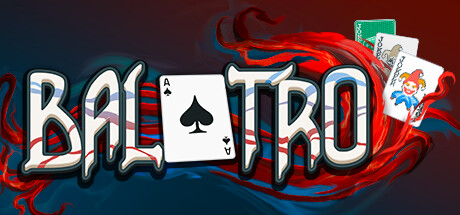
Balatro takes the roguelike-deckbuilder structure Slay the Spire popularized and applies it to something completely different: poker-hand scoring, reimagined run after run as joker cards warp the rules of what counts as a winning hand.
We'd point a Slay the Spire player here first precisely because it shares almost nothing mechanically while capturing the same addictive shape — building a strange, specific engine across a run and watching it either click into place or collapse against an escalating blind.
There's no combat and no enemies at all. The entire game is an abstract scoring puzzle rather than the Spire's card-fight structure, so if what you loved was the fighting itself, this reinvents the formula rather than extending it.
Monster Train
For defending multiple fronts instead of pushing forward
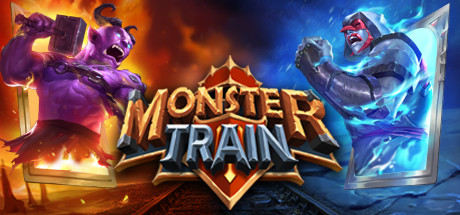
Monster Train sets its roguelike deckbuilding on a train to hell, where you defend three vertical battlegrounds across the train at once rather than facing a single line of enemies. Five monster clans, each with their own champion and over 220 cards between them, let you pair a primary and supporting clan to find new combinations.
We'd recommend it to a Slay the Spire player who wants the deckbuilding and relic-hunting loop they already know, but reshaped around defending multiple fronts simultaneously instead of Slay the Spire's single approaching enemy.
It leans more toward PvP and competitive modes like Hell Rush than Slay the Spire does, and managing three battlegrounds at once changes the core tension of a run considerably — expect a busier, more spatial puzzle than the Spire's single-lane climb.
Slay the Spire II
For the direct sequel, now built for co-op
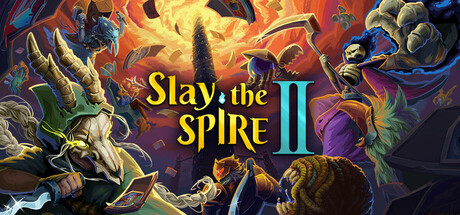
Slay the Spire II, which developer Mega Crit launched into Early Access on March 5, 2026, returns to the original's formula directly: build a deck, fight enemies in turn-based card battles, and collect relics and potions while climbing. It adds new cards, relics and potions alongside five playable characters, two of them new, plus a co-op mode for up to four players with its own team-synergy cards.
We'd choose it for a Slay the Spire player who wants exactly what they already love, refined and expanded, with the option to climb alongside friends for the first time — something the original never offered.
Mega Crit expects Early Access to last roughly one to two years, so expect ongoing balance changes and the price to rise once it leaves Early Access. If you want a finished, settled experience right now, the original is still the safer bet.

Wildfrost
For permadeath tension on a tactical board
Wildfrost keeps the roguelike deckbuilder's run-ending stakes intact but moves combat onto a tactical board of card-companions fighting through a snowy world, where losing a companion card in battle can mean losing it for the rest of the run entirely.
We'd recommend it to a Slay the Spire player who wants that same permadeath pressure applied to something closer to a careful positioning puzzle than a straightforward turn-based card exchange.
Combat plays out more like a tactical skirmish across a small board than the Spire's single-target card fights, and difficulty leans harder into careful placement and timing. It's a cousin of the Spire's structure rather than a mirror of its combat.
Across the Obelisk
For climbing with friends instead of alone
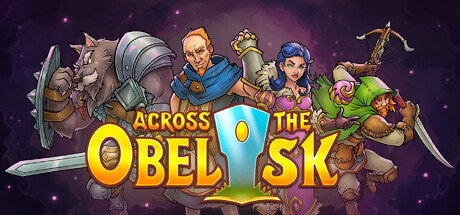
Across the Obelisk keeps the climb-and-build card logic Slay the Spire is known for, but turns it into a party of up to four heroes, each with their own deck, and online co-op for up to four players so the whole run becomes a shared effort.
We'd point a Slay the Spire player here when the solo climb is the one thing they'd change — managing several characters' decks at once, and bringing friends along for the ride, gives the familiar formula a genuinely different texture.
Juggling multiple heroes' decks simultaneously is a bigger mental load than Slay the Spire's single deck, and the co-op option is something the original was never built around. Go in expecting a busier, more social take on the same core idea.