Our picks, beyond the numbers
5 games like Terraria we would recommend for different reasons
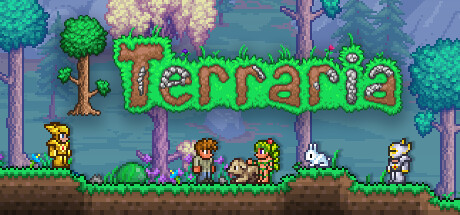
A little digging in Terraria rarely stays a little digging. One new ore leads to a better pickaxe, which opens up a boss you were not quite ready for, which drops something that makes the next building project possible. The curiosity about what is just a bit further down, or just past the next biome, is the thing we looked for when picking games like it.
Some of these keep Terraria's exact mix of crafting, building and boss-fighting in a different setting; others take just one piece of that loop — the digging, the base-building, the survival pressure — and make it the whole point.
Here is where we would send a Terraria player next, and why each one earns its spot.

Starbound
Our first choice for the same loop among the stars
Starbound keeps Terraria's side-scrolling digging, crafting and building almost entirely intact, then spreads it across a procedurally generated galaxy of planets, each with its own biomes, materials and things worth uncovering.
We would start here because the fundamentals transfer directly: 2D exploration, a growing list of craftable gear, and the pull to see what the next area is hiding. Online co-op lets a group split up across a system instead of staying on one shared map.
Its structure is built around visiting many smaller worlds rather than Terraria's single, continuous one, so the sense of place is different even when the mechanics feel familiar. Choose it when you want more of the same curiosity in a science-fiction wrapper.
Raft
For gathering and building on open water
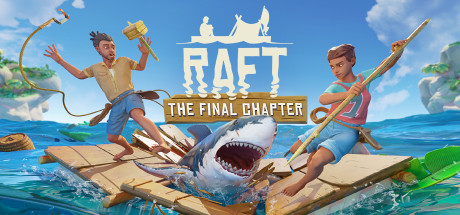
Raft takes the gathering-and-building half of Terraria's appeal and puts it on an expanding ocean platform, where every piece of debris you pull from the water becomes material for a base that is also your only way to keep moving.
We like it for a Terraria player who enjoys watching a modest shelter grow into something impressive, but wants that project tied to a journey across open water rather than digging through a persistent underground world.
There are no bosses to prepare gear for in Terraria's sense, and its first- and third-person 3D perspective is a big shift from Terraria's 2D side view. Pick this one for the building and the horizon, not for Terraria's combat progression.

Green Hell
For survival pressure instead of combat progression
Green Hell swaps Terraria's crafting-toward-bosses structure for a single, unforgiving Amazon rainforest where injuries, infection and your own mental state need constant attention alongside the usual gathering and shelter-building.
We would recommend it to someone who liked the tension of Terraria's early game — limited resources, real danger nearby — and wants that feeling stretched across an entire adventure instead of fading as your gear improves.
Its first-person, realistic presentation and online co-op support are a long way from Terraria's bright 2D pixel art and boss-driven pacing. Choose it when survival itself, not equipment progression, should be the thing testing you.

Stranded Deep
For a slower, island-hopping version of the loop
Stranded Deep sets you adrift after a plane crash, gathering resources from scattered islands and the ocean between them to build rafts, shelters and the tools needed to keep surviving somewhere new each time.
We like it for a Terraria player who enjoys the steady accumulation of resources and gear, but wants that process spread across a quieter, more open-ended island sandbox instead of one continuous world full of structured bosses.
It supports both online and local co-op, which makes exploring a new island together an option rather than a solo task. Its 3D, first-person presentation and much smaller cast of threats give it a calmer, more exploratory pace than Terraria's.

Don't Starve
For a stranger, more punishing take on survival
Don't Starve applies Terraria's gathering-and-crafting instincts to a single-player survival game with a much darker, more whimsical art style, where permadeath and a constantly shifting day-night cycle keep every decision feeling consequential.
We would choose it for someone who wants Terraria's crafting curiosity paired with a tone that is stranger and considerably less forgiving — a wrong choice here can end a world you have spent hours building up.
It is single-player only, unlike its later multiplayer spin-off, and its hand-drawn, gothic illustrated look is a sharp contrast to Terraria's pixel art. Pick this one for a tenser, more consequence-driven version of the same basic urge to gather and build.